Properties Cleared After Overgrowth Takes Hold
Brush and Debris Removal in Oxford for storm cleanup, fence line clearing, and overgrown wooded areas
Thick undergrowth along fence lines or scattered storm debris across access roads prevents normal property use and creates fire hazards in dry conditions. The service addresses overgrown brush, fallen limbs, and debris piles that accumulate after storms or years of neglect. Cheaha Land Management provides brush and debris removal throughout Oxford and surrounding areas, focusing on properties where accessibility and appearance have declined due to unmanaged vegetation or weather events.
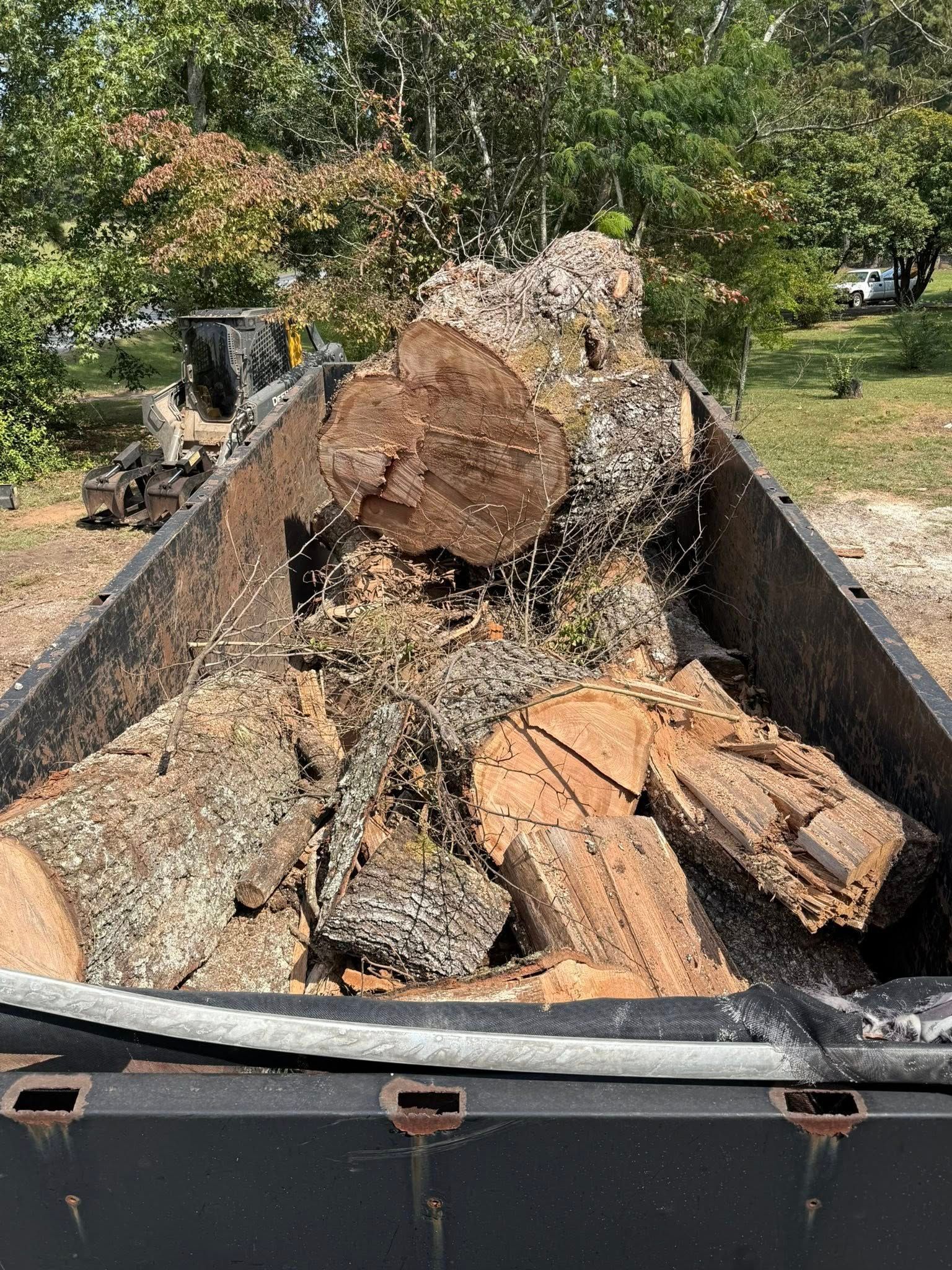
Brush removal involves cutting, loading, and hauling away overgrown vegetation, storm-damaged trees, and accumulated debris that can't be managed with standard yard equipment. Loading equipment handles large volumes quickly, reducing the time properties remain cluttered or inaccessible.
Request a cleanup estimate to address specific areas of your property where brush or debris limits access or creates safety concerns.
How Debris Removal Addresses Access Problems
Efficient debris hauling relies on equipment that loads brush piles, tree limbs, and clearing waste without multiple trips or extended timelines. Loaders and dump trailers handle high-volume jobs on residential, farm, and hunting properties where debris has accumulated over time or appeared suddenly after storms. Clearing fence lines and access roads involves cutting back encroaching vegetation and removing material that blocks gates, trails, or drainage ditches.
Once debris is removed, you regain clear sight lines along property boundaries, navigate trails without obstruction, and reduce fire risk from dry brush piles. Properties used for farming or hunting benefit from improved accessibility for equipment and vehicles across previously overgrown sections.
Storm cleanup services focus on clearing downed trees, scattered limbs, and debris that blocks driveways or damages fencing. The goal is restoring safe, functional access rather than leaving material piled at property edges.
Answers to Frequent Service Questions
Brush and debris removal projects depend on property size, debris volume, and site access, so understanding the process helps clarify what to expect during cleanup work.
What types of debris can be hauled away during cleanup projects?
Tree limbs, brush piles, storm-damaged vegetation, and land clearing waste are loaded and removed, while larger logs may be processed separately depending on their condition and size.
How does equipment improve the speed of debris removal on large properties?
Loaders and trailers reduce the number of trips required to clear high-volume debris, especially on Oxford-area farms and hunting land where access roads need to remain open during the work.
When should overgrown fence lines be cleared?
Clearing fence lines before vegetation damages posts or wire prevents costly repairs and maintains clear property boundaries, especially on agricultural land where fencing integrity affects livestock management.
What happens to brush and debris after it's loaded?
Material is hauled to approved disposal sites where it's processed according to local waste management standards, keeping your property free of burn piles or decomposing debris.
How does debris removal improve property safety?
Removing dry brush reduces fire hazards, clearing access roads allows emergency vehicle entry, and eliminating scattered limbs prevents tripping or equipment damage during routine property use.
Brush and debris removal services from Cheaha Land Management address residential, farm, hunting, and commercial properties where overgrowth or storm damage has reduced usability. Contact the office to schedule cleanup work and receive a hauling estimate based on your property's current conditions.