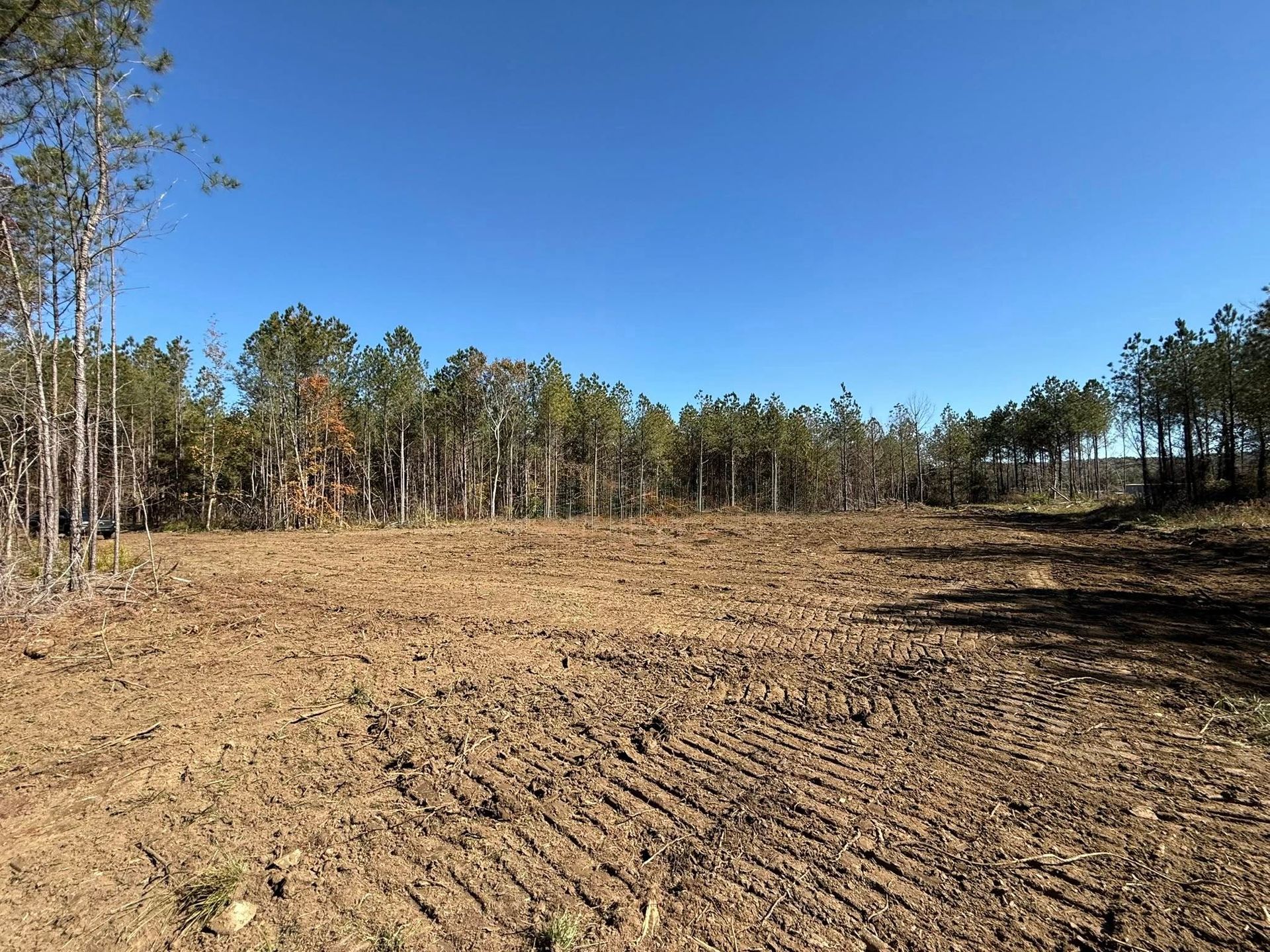
Land Reclaimed From Years of Undergrowth
Land Clearing and Forestry Mulching in Pell City for overgrown hunting land, pasture reclamation, and thick vegetation management
Forestry mulching converts standing brush and thick undergrowth into a layer of ground mulch without creating burn piles or requiring debris hauling. Cheaha Land Management uses Envirogrind mulching equipment to clear overgrown properties in Pell City and the surrounding region, addressing hunting land, fence lines, and large acreage areas where accessibility has declined due to unchecked vegetation growth. The process leaves organic material on-site to decompose naturally while opening trails and improving sight lines.
Land clearing and grubbing services remove root systems and prepare soil for construction, pasture use, or replanting. Mulching equipment grinds vegetation at ground level, reducing fire hazards and allowing faster regrowth of desirable grasses compared to traditional clearing methods that disturb topsoil.
Schedule a clearing consultation to evaluate vegetation density and discuss mulching methods suited to your property's intended use.
What Changes After Forestry Mulching Completes
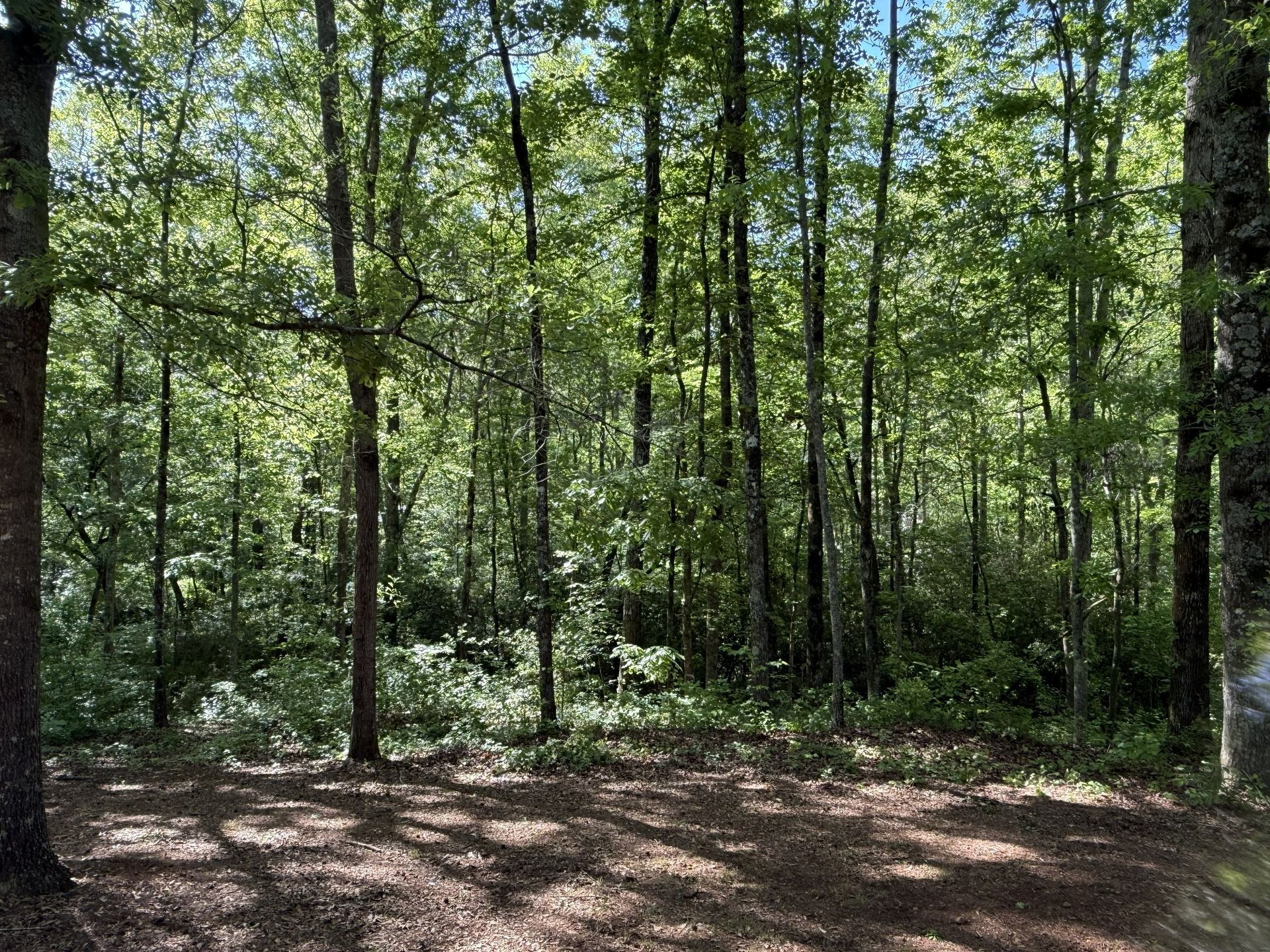
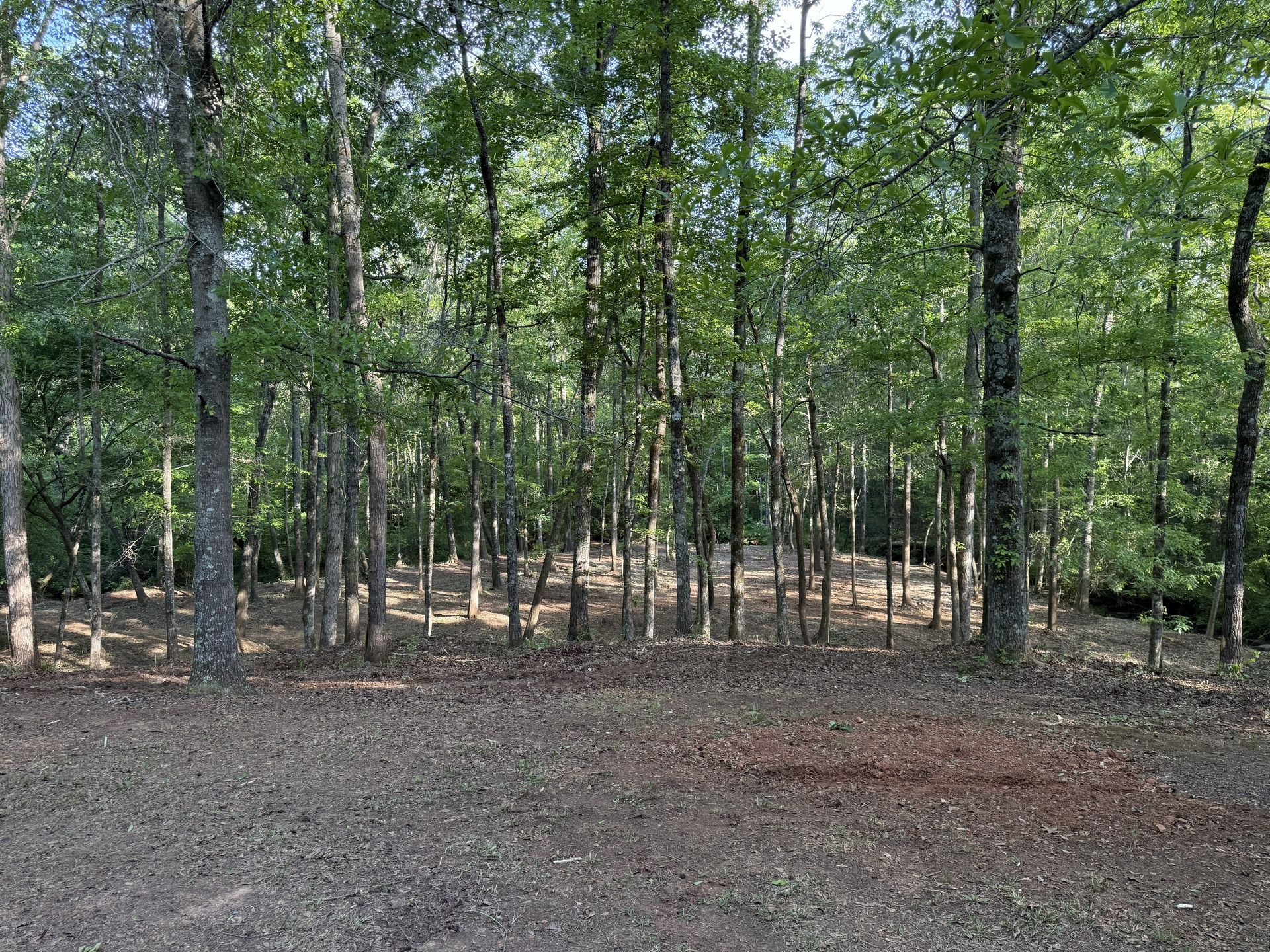
Forestry mulching addresses properties where brush, saplings, and invasive vegetation have overtaken trails, fence lines, or pasture areas. The mulching head grinds material into chips that settle into the soil, reducing erosion while eliminating the thick tangle of roots and stems that block access. Envirogrind equipment processes vegetation efficiently without the ground disturbance caused by bulldozers or the debris piles left by traditional clearing.
After mulching, you walk or drive across previously impassable sections of your property, and sight lines extend across areas that were hidden by dense undergrowth. Pastures cleared of invading brush support healthier grass growth, and hunting land becomes navigable without the noise and effort of cutting individual saplings by hand.
Grubbing services remove root systems on properties where construction or permanent vegetation control is needed. This approach suits homesites, agricultural development, and recreational land where regrowth prevention matters more than leaving organic material in place.
What Property Owners Usually Ask
Land clearing and forestry mulching projects vary based on vegetation type, acreage, and intended land use, so these answers clarify how the work unfolds and what results to expect.
What types of vegetation can forestry mulching equipment handle?
Mulchers process brush, saplings up to several inches in diameter, invasive species, and thick undergrowth, though larger trees require separate removal before mulching begins.
How does mulching compare to traditional land clearing methods?
Mulching leaves ground cover in place to reduce erosion, eliminates debris piles that require hauling or burning, and causes less soil disturbance than bulldozing or grubbing.
When is grubbing necessary instead of mulching?
Grubbing removes root systems for construction sites, areas requiring permanent vegetation control, or properties where regrowth would interfere with planned land use.
What happens to the mulch left on the ground after clearing?
The organic material decomposes over time, enriching the soil and reducing erosion while allowing desirable grasses and plants to establish more easily than on bare, compacted ground.
How does forestry mulching improve hunting land in the Pell City area?
Clearing thick undergrowth opens shooting lanes, improves wildlife visibility, and allows access for stand placement or trail maintenance without the noise and labor of manual brush cutting.
Cheaha Land Management provides forestry mulching, land clearing, and grubbing services for residential, agricultural, recreational, and commercial properties across the region. Request a mulching estimate to address overgrown acreage and restore usability to sections of your property that have become inaccessible.